Best Pest Control Services for New Homeowners
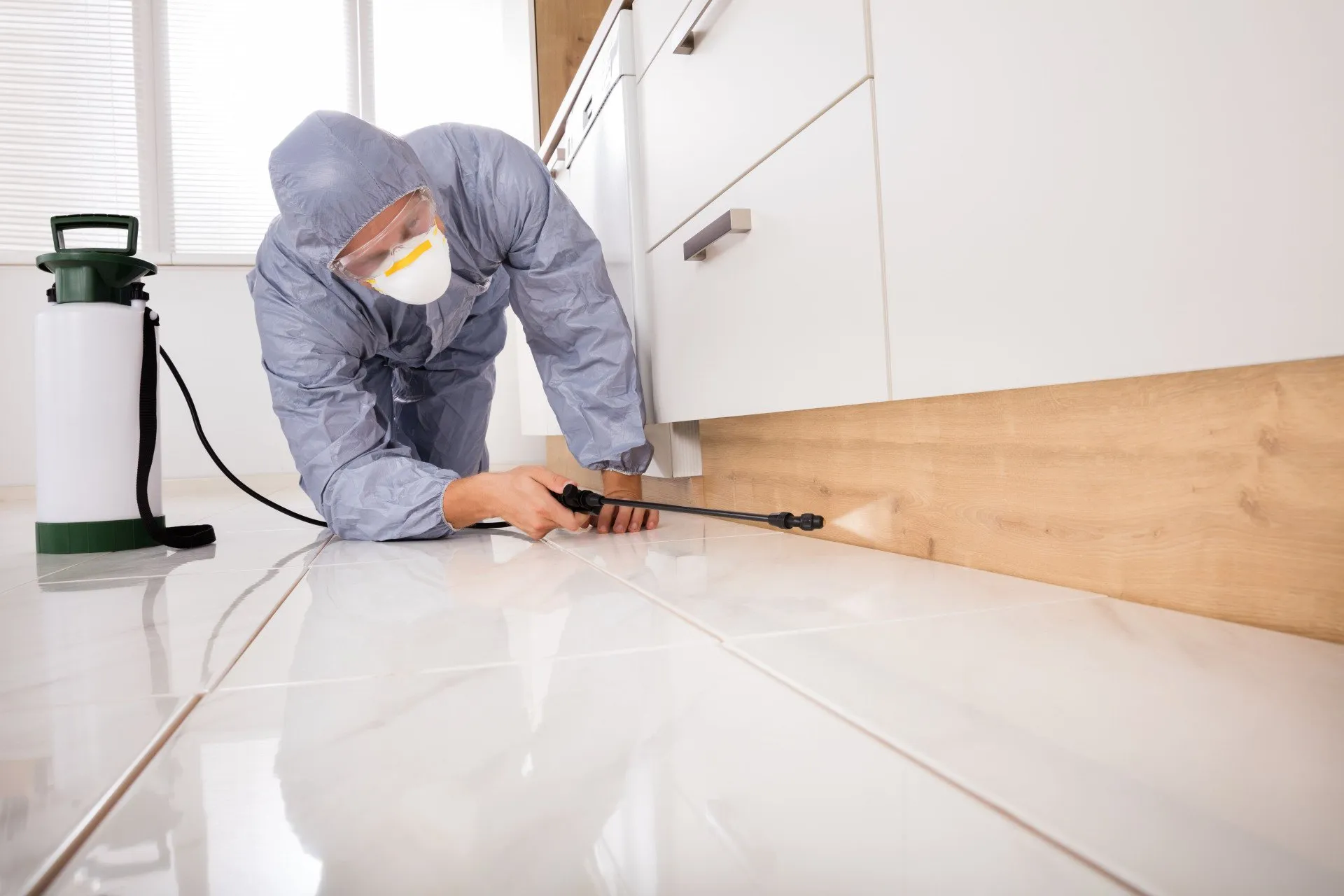


Buying a home changes your relationship with pests almost overnight. In an apartment, a maintenance office may handle roaches, ants, or mice after a quick call. In a house, the responsibility lands squarely on the owner, and problems that once felt minor can become expensive, structural, and surprisingly persistent. That shift catches many first-time homeowners off guard.
The tricky part is that pest issues rarely announce themselves with perfect timing. You notice a line of ants a week after moving boxes into the kitchen. A wasp nest appears under the eaves just before guests come over. You hear scratching in the attic in the middle of a cold snap. By the time you are searching for Pest Control Services, you usually want help fast, and that urgency can make it harder to evaluate what kind of company you actually need.
New homeowners are in a different position from long-time owners. They are still learning the house, still figuring out moisture patterns, landscaping quirks, entry points, and the maintenance history left behind by the previous owner. The best pest control approach at this stage is not simply spraying for bugs. It is choosing services that solve current problems, reduce future risk, and fit the realities of your property.
Why new homeowners run into pest trouble so often
A home purchase often stirs up pest activity in ways people do not expect. If a house sat vacant for weeks, rodents may have moved in. If the prior owner skipped routine service during the sale process, insects may have had a head start. Even ordinary move-in activity can trigger issues. Cardboard boxes provide shelter for roaches and silverfish. Disturbed landscaping can drive ants indoors. New pet food storage habits can attract pantry pests or mice.
Season matters too. Spring closings often reveal termite swarmers, ant trails, and wasp activity. Fall move-ins tend to bring spider complaints and rodent entry problems as temperatures drop. Heavy rain can push earwigs, centipedes, and occasional invaders into basements. Dry spells create their own pressure, especially around kitchens, bathrooms, and irrigation lines.
I have seen homeowners spend heavily on cosmetic updates in the first six months, then balk at paying for a proper crawlspace inspection or exclusion work. That is understandable. A new roof or fresh floors feel tangible. Pest prevention feels invisible until it does not. But pest damage accumulates in the dark, in walls, subfloors, attics, and voids where most owners never look until a contractor opens something up.
Not all Pest Control Services are the same
Many companies offer broad household pest treatment, but the quality and scope of service vary considerably. Some firms are built around recurring maintenance for common pests such as ants, spiders, roaches, and occasional invaders. Others focus on termites, wildlife removal, bed bugs, mosquitoes, or rodent exclusion. The best service for a new homeowner depends on whether the priority is routine prevention, a specific infestation, or inspection-based risk management.
A recurring general pest plan is often the right starting point for a new owner, especially in the first year. That kind of service usually includes perimeter treatment, targeted interior work as needed, and monitoring for common seasonal activity. It gives the homeowner a professional set of eyes on the property while they are still learning its weak points. A good technician will notice things a new owner may miss, such as mulch piled too high against siding, garage door gaps, tree limbs touching the roofline, or moisture conditions around a foundation.
That said, general service has limits. It is not the same as termite protection. It is not a substitute for sealing rodent entry points. It does not necessarily cover wildlife in the attic or bats in soffits. One of the biggest frustrations homeowners have is assuming they are “covered,” then discovering that the service plan excludes the exact problem they are facing.
The services worth prioritizing in the first year
The smartest pest spending in the first year of homeownership usually follows a simple principle: deal with what threatens the structure first, then what affects sanitation, then what causes outdoor nuisance.
For many homes, termite inspection sits at the top of that list. In some regions, termite pressure is constant, and a previous treatment bond may or may not transfer to the new owner. If there is any uncertainty, confirm it immediately. Termites are one of the few pest problems that can produce five-figure repair bills before obvious symptoms appear. Even in houses that passed a sale inspection, it is reasonable to have a dedicated termite professional explain the current condition, past treatment history, and whether preventative treatment makes sense.
Rodent work comes next, especially if there are droppings, gnawing signs, nesting material, or noises in walls or attics. Homeowners often underestimate how much of rodent control is really construction work. Trapping matters, but exclusion is what changes the outcome. If a company only sets bait stations and does not identify and seal entry points, the problem often returns. A serious rodent service should involve inspection, trapping strategy, sanitation guidance, and a clear plan for closing gaps around utility penetrations, vents, roof returns, and garage edges.
General insect service is usually the third layer. This is where routine Pest Control Services can provide strong value, especially for ants, spiders, cockroaches, earwigs, silverfish, and stinging insects around the exterior. A good technician should tailor treatment to the house rather than apply the same pattern to every property on the route. Homes with crawlspaces need attention in different places than slab homes. Heavily wooded lots behave differently from newer suburban developments with little mature landscaping.
Mosquito and tick service is more situational. Families with young children, pets, outdoor entertaining areas, or dense shade often find seasonal service worthwhile. Owners in dry, open neighborhoods may not need it at all. It is a quality-of-life service, not usually a structural necessity, but in the right setting it can make a backyard usable again.
What a strong pest company does that a weak one does not
The difference between average and excellent Pest Control Services usually shows up before the first treatment starts. Good companies ask better questions. They want to know what you are seeing, when activity occurs, where it is concentrated, and whether conditions changed recently. They inspect deliberately instead of delivering a canned pitch. They explain the likely pest, why it is present, and what environmental factors are helping it thrive.
They also set expectations honestly. If you have a heavy German cockroach infestation in a kitchen, one visit is unlikely to solve it. If your problem is carpenter ants tied to moisture-damaged wood, chemical treatment without fixing the leak is partial at best. If mice are entering through a quarter-inch gap at the garage corner, service that ignores the opening is temporary.
Weak companies lean on vagueness. They may promise a “full barrier” without clarifying what is treated, how often, or what happens between visits. They may oversell interior spraying when the real solution is trimming vegetation, lowering soil contact, drying out a crawlspace, or repairing weather stripping. They often avoid discussing exclusions, reservice policies, or the difference between maintenance pests and specialty pests.
A reliable company should be comfortable describing products in plain language, including where they will be applied and what precautions are appropriate for children, pets, and pollinators. Professional does not mean theatrical. You do not need a dramatic chemical explanation. You need competence, restraint, and clarity.
How to judge a service plan before you sign
Homeowners often compare pest companies on monthly price alone, and that can be a costly shortcut. A lower price may reflect thinner inspections, limited callbacks, or a service model that is built for speed rather than results. A more expensive plan is not automatically better either. What matters is how well the plan matches your property and your actual risks.
Look closely at whether the company includes a detailed inspection on the first visit. That initial inspection is where value begins. It should identify pest evidence, conducive conditions, and any structural or sanitation issues the technician can see. For a new homeowner, that report can be almost as useful as the treatment itself.
Also ask how callback visits work. Many good companies offer no-charge return visits for covered pests between scheduled appointments. That policy matters because pest activity does not always follow a tidy calendar. A plan that sounds cheap but charges for every extra visit can quickly become more expensive than a higher-quality program.
The service frequency matters as well. Quarterly exterior-focused service works well for many homes with ordinary pest pressure. Homes in warm, humid areas or with heavy landscaping may need more attention seasonally. Interior treatment should usually be targeted and need-based, not automatic, unless there is a specific active issue.
Here are the questions worth asking before choosing a provider:
- What pests are covered under the standard plan, and which require separate service?
- How do you handle callbacks if activity continues between scheduled visits?
- Will the technician inspect for entry points, moisture issues, and other conditions that attract pests?
- Do you provide termite, rodent exclusion, or wildlife services in-house, or refer them out?
- What preparation, if any, do I need to do before treatment?
These questions reveal more than a glossy brochure ever will. They show whether the company operates as a true problem-solving service or as a subscription with a sprayer attached.
The best services by pest problem
If you are trying to match a service to a specific issue, it helps to think in categories rather than brand promises.
For ants, spiders, and routine household insects, recurring general pest service is usually the best fit. The strongest results come from a mix of perimeter treatment, crack-and-crevice application when needed, and environmental corrections such as reducing moisture, pulling mulch back, and trimming plant contact with the structure. Ant work in particular requires patience. Colonies shift, weather influences foraging, and not every treatment works equally well for every species.
For cockroaches, the service needs to be more intensive and more precise. Roach control depends on identifying the species. Large outdoor roaches that wander inside call for a different strategy than kitchen-infesting German cockroaches. In the second case, inspection depth and follow-up matter far more than a routine maintenance plan.
For rodents, choose exclusion-oriented service over simple baiting whenever possible. A few traps can catch current animals. They do not stop the next wave if openings remain. I have seen homeowners spend months on recurring mouse visits when a better use of money would have been sealing utility gaps, replacing worn door sweeps, screening vents, and correcting attic access issues.
For termites, specialized termite service is essential. This is not the place to improvise or assume a general pest plan is enough. Treatment methods vary by construction type and infestation status, but the key is documentation and long-term monitoring. If a company cannot clearly explain what evidence they found and what protection they recommend, keep looking.
For mosquitoes, the best service includes more than spraying shrubs on a schedule. The provider should point out standing water sources, drainage problems, clogged gutters, and irrigation habits that create breeding sites. Yard treatments can help a lot, but source reduction is what keeps the issue manageable.
The first inspection should feel almost like a home lesson
One of the best signs you have chosen well is that the technician teaches you something useful about your own property. Good pest professionals notice patterns. They know that the stacked firewood by the siding is not just decorative storage, it is rodent shelter and moisture retention. They know the downspout that empties near the foundation is not just a drainage annoyance, it may be feeding springtail or ant activity. They know the gap at the roofline above the garage can become an express lane for squirrels.
A strong inspection often covers places homeowners rarely examine closely: attic corners, crawlspace vents, utility penetrations behind shrubs, detached sheds, fence lines near the home, basement sill plates, and garage thresholds. It should connect pest activity to house conditions. That connection is where long-term value lives.
I remember one new homeowner who was convinced she had a severe spider problem because webs kept appearing in the front entry. The bigger issue turned out to be lighting. Bright warm bulbs near the doorway were attracting insects every night, and the spiders were simply feeding where the buffet showed up. Changing bulb type and placement, along with a modest exterior treatment, cut the problem dramatically. No mystery, just observation.
DIY has a place, but it has limits
New owners often ask whether they should try do-it-yourself methods first. For minor, isolated issues, that can be sensible. Sealing pantry goods, placing a few sticky monitors, replacing a door sweep, or trimming back vegetation are worthwhile homeowner tasks. In fact, the best professional results usually happen when the owner handles maintenance habits and the service company handles technical treatment and inspection.
But some DIY efforts make professional work harder. Over-the-counter foggers, broad indoor spraying, and random bait placement can scatter pests or contaminate treatment areas. Rodent poison placed carelessly creates risks for pets and can leave dead animals in inaccessible spaces. Wasp nest removal from ladders is a classic bad idea that sends plenty of people to urgent care every year.
The dividing line is simple. If the issue could affect structure, sanitation, safety, or hidden spaces, it is usually worth bringing in a professional early. That is especially true for termites, bed bugs, recurring roaches, attic wildlife, and persistent rodent activity.
What a fair price looks like
Pricing varies by region, home size, pest pressure, and service type, so broad estimates are only rough guides. Still, homeowners benefit from understanding the general shape of the market.
Routine general pest plans often land in a modest monthly-equivalent range when billed quarterly or every other month. Initial visits may cost more because they involve inspection and setup. Termite inspections may be included with some services or offered separately, while treatment and warranties are typically a different category of cost altogether. Rodent exclusion tends to be more expensive upfront because it combines labor, materials, and follow-up. Wildlife removal can rise quickly depending on access difficulty and repairs needed after removal.
Be wary of pricing that seems dramatically below local norms. Low bids often signal minimal inspection time or limited service depth. Also be cautious of upsells delivered through fear. A technician should be able to show evidence, explain risk, and tell you what needs immediate action versus what can be monitored.
Red flags that deserve a hard pass
Some warning signs are subtle, others are not. New homeowners are especially vulnerable because they may not know what normal service should sound like.
Watch for these red flags:
- The company quotes a price without asking questions or inspecting the property.
- The technician cannot clearly explain what is covered and what is excluded.
- The solution for every pest sounds identical, regardless of species or location.
- You are pressured to sign immediately because of a supposed emergency without visible evidence.
- There is no clear policy for follow-up visits, documentation, or guarantees.
Pest control is a service business built on trust, observation, and repeatability. If the interaction feels rushed or slippery, it usually does not improve after the contract is signed.
Making the house less attractive to pests between visits
Professional service works best when the home itself is not giving pests an easy welcome. New homeowners can make a meaningful difference with a few practical habits, and none of them require turning the property into a sterile zone.
Start with moisture. Fix drips, clear gutters, and keep water draining away from the foundation. Many insect issues are really moisture issues in disguise. Next, reduce direct contact points. Shrubs should not press against siding, and tree limbs should not overhang the roof unnecessarily. In the garage and basement, avoid turning cardboard into long-term storage if you can help it. Plastic bins with tight lids are better for both clutter control and pest prevention.
Food management matters, but not only in the kitchen. Bird seed, grass seed, and pet food stored in garages attract rodents just as reliably as cereal in a pantry. Trash areas should stay reasonably clean, and recycling should not become a sticky holding zone.
Finally, pay attention to the small openings. The gap under a side door, the torn vent screen, the utility line entry without proper sealant, the loose weather stripping at the garage corner, these are the details that separate a house with occasional pest sightings from a house with recurring invasions.
Choosing for the long term, not just the next week
The best Pest Control Services for new homeowners are the ones that help you understand your property while solving the problems in front of you. That may mean starting with a general pest plan, then adding termite protection or rodent exclusion based on what the inspection reveals. It may mean declining a bundled package because your lot simply does not need mosquito service. It may mean paying more upfront for exclusion work so you https://garrettkcyc978.tearosediner.net/how-commercial-pest-control-services-keep-businesses-running-smoothly spend less over the next three years on repeat visits that never fully resolve the issue.
A good provider should leave you with fewer pests, certainly, but also with a clearer picture of how your home functions. Where moisture collects. Where animals can enter. Which seasons bring pressure. Which fixes belong to the homeowner and which require specialized treatment.
For first-time owners, that guidance is often as valuable as the service itself. A house will always attract something from the outdoors. The goal is not perfection. The goal is control, early detection, and smart prevention that keeps small problems from becoming expensive ones. When a pest company understands that, and works like a partner rather than a salesperson, you have probably found the right fit.
Affordable Pest Solutions LLC
Phone number: +19732299547
FAQ About Pest Control Services
How much does pest control charge?
For a standard 1,500-square-foot home, professional pest control charges generally average $100 to $300 for an initial visit, with ongoing monthly services running $40 to $75 per visit and one-time emergency exterminations costing $100 to $600, depending heavily on the specific pest and the severity of the infestation.
What is the hardest pest to get rid of?
Bed bugs are widely considered the hardest household pest to get rid of, closely followed by German cockroaches and subterranean termites.
What is included in a pest control service?
A standard pest control service includes a property inspection, targeted treatments, and prevention advice. It typically covers common pests like ants, spiders, and cockroaches, using sprays, baits, or traps.